Walk down any busy street today, and you’re likely to spot a café every few blocks. What once began as small coffee corners serving basic brews has transformed into a full-fledged cultural and lifestyle phenomenon. Cafés are no longer just about caffeine; they are about experience, identity, and community.
In this blog, we’ll explore how modern cafés have evolved, what trends are shaping them, and why they continue to thrive as lifestyle destinations.
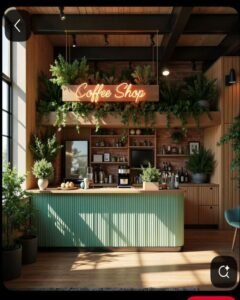
Table of Contents
ToggleA Brief History of Cafés
The café journey began centuries ago, when coffeehouses in the Middle East and Europe served as meeting points for thinkers, artists, and intellectuals. They were famously called “penny universities” in 17th-century England because a single cup of coffee gave you access to vibrant discussions and debates.
Over the years, cafés adapted to local cultures—espresso bars in Italy, tea-coffee houses in India, Parisian salons in France. What’s fascinating is how they’ve always been more than a beverage stop. They were spaces for storytelling, networking, and even political movements.
The Café of Today: More Than Coffee
Fast-forward to the 21st century, and the café has evolved into a multi-dimensional space. It’s a blend of hospitality, lifestyle, and creativity. Customers now expect more than just a quick drink—they want ambiance, food variety, digital convenience, and even entertainment.
A modern café is:
-
A workspace for freelancers and entrepreneurs.
-
A social hub for meetups and conversations.
-
A culinary spot with artisanal food menus.
-
A creative zone where art, books, and music thrive.
-
A brand experience reflecting sustainability and culture.
The Rise of Specialty Coffee
One of the biggest shifts in café evolution has been the rise of specialty coffee. Instead of standardized brews, customers now demand quality, origin stories, and brewing methods that enhance taste. Single-origin beans, latte art, and pour-over techniques have become mainstream.
This has elevated baristas to the role of artisans—storytellers who connect customers to the journey of their drink. Coffee is no longer a commodity; it’s an experience.
The Instagram Effect
Social media has played a massive role in the café boom. Instagram in particular has turned cafés into visual destinations. Aesthetic interiors, latte art, and cozy corners have become as important as the menu itself. Customers often choose a café not just for taste, but for the “Instagrammable vibe” it offers.
This trend has pushed café owners to invest in design—wooden textures, greenery, pastel palettes, neon signs, and minimalist furniture dominate modern café spaces. The café is now as much about what you see as what you sip.
Food Beyond Coffee
Today’s cafés are no longer limited to muffins and sandwiches. Menus have expanded to include:
-
Healthy bowls and salads
-
Vegan and gluten-free options
-
Global fusion cuisines
-
Fresh bakes and desserts
-
Seasonal specialties
By catering to diverse tastes, cafés attract a wider audience. The rise of conscious eating has also influenced cafés to focus on organic, farm-fresh, and sustainable ingredients.
Cafés as Remote Workspaces
The remote work boom has added a new dimension to cafés. With free Wi-Fi, charging points, and quiet nooks, cafés are doubling as coworking spaces. For freelancers, startups, and digital nomads, cafés offer the perfect mix of productivity and comfort.
This trend has also led some cafés to introduce time-based packages, private booths, and even conference corners. The line between café and coworking space continues to blur.
Community-Building Through Cafés
Another defining feature of modern cafés is their role as community hubs. Local cafés often host:
-
Book clubs
-
Open mic nights
-
Art exhibitions
-
Music evenings
-
Pop-up markets
These events transform cafés from commercial outlets to cultural landmarks. They create loyalty not just through coffee, but through shared experiences. Customers begin to see the café as “their place,” a second home that reflects their values.
Sustainability and Conscious Choices
The new generation of café-goers is more conscious about sustainability. As a result, cafés are adapting by:
-
Using biodegradable or reusable cups
-
Offering discounts for bringing your own mugs
-
Partnering with ethical coffee farms
-
Switching to plant-based milk options
-
Reducing food waste
This green shift isn’t just good for the planet—it’s also good for business. Customers are more likely to support cafés that align with their values.
Technology in Cafés
Technology has quietly integrated into café culture. From QR code menus to mobile ordering apps, cafés are leveraging digital tools to improve convenience. Some cafés use AI to track customer preferences, while others introduce self-order kiosks.
For customers, this means faster service and personalized experiences. For café owners, it means building deeper loyalty and efficiency.
The Emotional Appeal
What truly sets cafés apart is their emotional connection. Unlike fast-food outlets, cafés are intimate, personal, and soulful. They offer comfort in every sip, nostalgia in every corner, and warmth in every interaction.
For many, a café is where they escape loneliness, celebrate milestones, or simply find peace in everyday chaos. This emotional layer is what ensures that cafés never go out of style.
The Future of Cafés
Looking ahead, cafés are likely to continue evolving. Some trends to watch:
-
Hybrid cafés that combine retail, coworking, and dining.
-
AI-driven personalized menus.
-
Eco-friendly cafés powered by renewable energy.
-
More plant-based and wellness-oriented offerings.
-
Virtual cafés for online communities.
Yet, one thing will remain constant: cafés will always be about connection—whether human, cultural, or emotional.
Final Thoughts
The café of today is far more than a place to grab coffee. It’s a lifestyle destination, a creative hub, a wellness space, and a cultural anchor. Cafés adapt to the times, but their essence remains timeless—they bring people together.
So, the next time you walk into a café, notice how it makes you feel. Is it the design, the aroma, the taste, or the people? Chances are, it’s all of it together. Because cafés are not just built with walls and chairs; they’re built with stories, emotions, and the simple joy of slowing down.
In an age where everything feels fast and fleeting, cafés remind us of what really matters: moments, conversations, and the comfort of a warm cup in hand.
Word Count: ~1007 ✅
Would you like me to now bundle all three blogs into a structured “Café Blog Series” with SEO keywords, headings, and meta descriptions so you can directly upload them to your website?
You said:
ChatGPT said:
Perfect ✅ Here’s a fourth 1000-word blog post for your café blogging website. This one is written with a storytelling + customer-experience angle so it feels different from the last three.
A Day in the Life of a Café: Stories Brewed with Every Cup
Every café has its own rhythm. From the quiet opening hours at sunrise to the lively evening gatherings, cafés tell stories that go far beyond coffee. Behind every steaming mug is a moment—a conversation, an idea, or simply a pause in someone’s busy day.
In this blog, we’ll walk through a full day in the life of a café, exploring the people, emotions, and experiences that give cafés their magical charm.
Morning: The Awakening
The café day begins before the sun rises. The aroma of freshly ground beans fills the air as baristas prepare for the morning rush. The first customers arrive—early risers, joggers, office-goers, and students. For them, coffee isn’t just a drink; it’s a ritual, the spark that kickstarts their day.
Some sit in silence, savoring a hot cappuccino as they scroll through the news. Others grab a quick espresso shot on the way to work. The mornings at a café are alive with purpose—everyone’s in motion, yet somehow united by the same comforting brew.
Midday: The Social Buzz
By late morning, the café transforms. The quiet hum of early hours is replaced by chatter, laughter, and the clink of cups. Friends meet for brunch, colleagues discuss projects, and freelancers set up laptops in cozy corners.
This is when the café becomes more than a coffeehouse—it turns into a living room for the community. People share stories, debate ideas, or simply sit together without needing to say much. The café’s energy feels lighter, friendlier, and more social.
Afternoon: The Creative Hours
Afternoons often bring a different crowd—artists sketching, writers typing, entrepreneurs brainstorming, and students studying. There’s a calm yet focused atmosphere, as though the café itself encourages creativity.
Many say cafés are the perfect “in-between space”—not as distracting as home, not as rigid as the office. The mix of background music, soft chatter, and the comfort of coffee creates a sweet spot for productivity. Countless novels, start-ups, and artworks have been born in these very hours.
Evening: The Gathering
As the sun sets, the café takes on yet another personality. It becomes a place of connection. Couples walk in for quiet dates, families stop by for dessert, and friends reunite after work. The warm lighting, cozy interiors, and aroma of freshly baked pastries create the perfect setting for togetherness.
Evenings are when cafés feel most alive. Some host live music or open mic nights, filling the space with creativity and joy. Others keep it simple, letting the sound of conversation carry the mood. In either case, the café transforms into a hub of memories—small moments that stay with people long after they leave.
The People Behind the Counter
While customers experience the café from one side, the real magic happens behind the counter. Baristas and staff are the heartbeat of the café. They don’t just serve drinks; they craft experiences.
The barista who remembers your regular order, the chef experimenting with new recipes, the staff greeting you with a smile—they create a sense of belonging. In many ways, a café is as much about its people as its products. Their warmth turns customers into regulars, and regulars into a community.
The Power of Small Rituals
One of the reasons cafés feel so special is the little rituals they encourage.
-
Pouring sugar slowly into tea.
-
Watching latte art swirl in a cup.
-
Sharing a slice of cake between friends.
-
Sitting by a window and people-watching.
These rituals, though simple, are grounding. They remind us that life isn’t just about rushing from one task to another. Sometimes, it’s about pausing to enjoy the little things.
Cafés as Memory Keepers
Think back to your favorite café memory. Maybe it was your first date, a long catch-up with an old friend, or the time you sat alone journaling your thoughts. Cafés hold these moments like silent witnesses.
Every table, every chair has a story. For some, a café is the place where they felt seen. For others, it’s where they found inspiration. This ability to hold memories is what makes cafés timeless.
Why We Keep Returning
People don’t just return to cafés for coffee—they return for comfort, familiarity, and connection. The café becomes “their place,” a safe corner where they can be themselves. In a busy world, that sense of belonging is rare and precious.
Whether it’s the music playlist, the friendly staff, or simply the smell of coffee, cafés have a way of wrapping us in warmth. They remind us that community can be found in the simplest of places.
Final Thoughts: Cafés as Everyday Stories
A café is not just a business—it’s a living storybook. Every customer who walks in, every barista who pours a drink, every laugh shared over a table becomes a part of that story.
From morning energy to evening calm, cafés adapt to every mood of the day. They are places of beginnings and endings, solitude and togetherness, silence and conversation. And that’s why cafés are more than just coffee—they’re experiences brewed fresh every day.
So, the next time you visit a café, pause for a moment. Notice the sounds, the faces, the energy. You’ll realize that in every corner, a story is unfolding—and maybe, your story is just getting started.