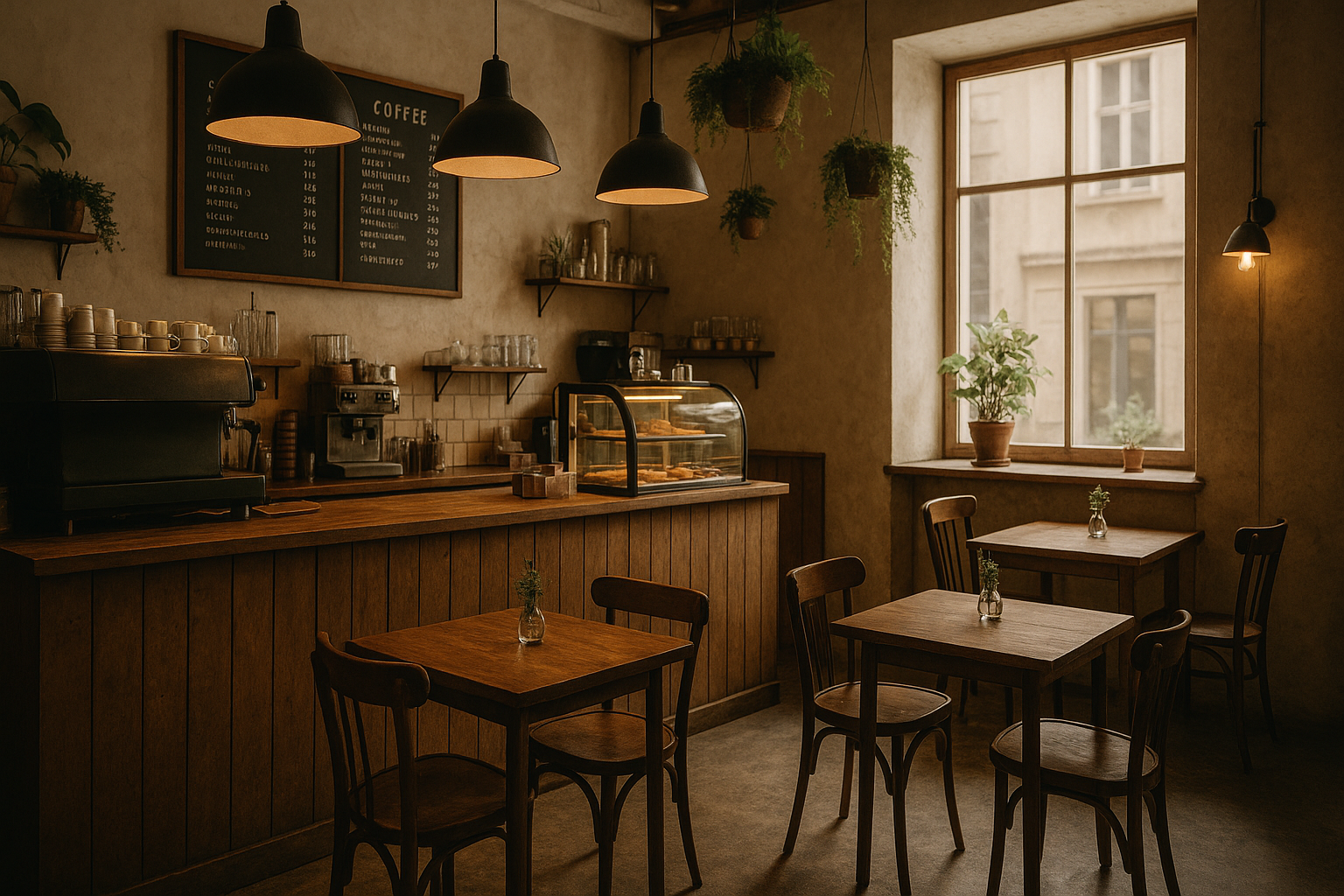
Step into any café, and you’ll immediately notice that it’s not just about the coffee in your cup. The aroma of freshly ground beans, the soft hum of conversations, the warm wooden interiors, and the comforting clink of ceramic mugs—all combine to create an experience far greater than a simple beverage stop. Cafés today have become social hubs, creative spaces, and sanctuaries where people find both inspiration and relaxation.
In this blog, we’ll explore why cafés are such powerful spaces in modern life, what makes them special, and how they continue to redefine culture across the globe.
Table of Contents
ToggleThe Café Culture: A Global Connection
The concept of cafés is centuries old. Originating in the Middle East and later flourishing in Europe, cafés were once known as “houses of wisdom.” They were gathering places for intellectuals, artists, and dreamers who exchanged ideas over cups of coffee. From Parisian thinkers of the 18th century to the modern freelancers with laptops in a corner café, the essence remains the same—cafés bring people together.
What makes café culture universal is its ability to blend seamlessly into different traditions. In Italy, the espresso bar is quick, stylish, and full of life. In Turkey, coffee is slow-brewed and shared as a ritual of friendship. In India, cafés are evolving into trendy hangouts where traditional chai and artisanal lattes share the same table. Wherever you go, cafés carry a story of their own, yet connect people through a shared love of comfort and conversation.
The Third Place: Home, Work, and Café
Sociologists often refer to cafés as the “third place.” If home is your first space and work is your second, the café becomes that magical in-between spot where you don’t need to perform or conform. It’s where you can be yourself—whether that means reading a book alone, brainstorming a business idea, or catching up with friends.
This “third place” concept explains why cafés are so essential in modern cities. They’re not just about caffeine; they’re about community. Unlike restaurants where meals are the focus, or offices where productivity takes center stage, cafés offer balance. The flexibility of the space allows you to shift between solitude and socialization, making it a home away from home.
Cafés as Creative Spaces
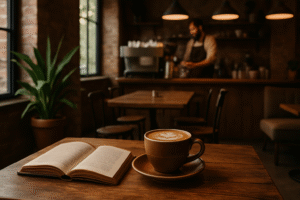
Think of how many novels, poems, and startup ideas have been born in cafés. Writers have long found comfort in these cozy corners. J.K. Rowling, for instance, wrote parts of Harry Potter in a café in Edinburgh. Today, digital creators, designers, and entrepreneurs still choose cafés as their creative workspaces.
Why? Because cafés inspire. The subtle background noise, often called “white noise,” stimulates focus and creativity. Add in a cup of strong coffee, natural light, and a casual yet lively environment, and you have the perfect recipe for innovation.
Beyond Coffee: Food, Community, and Aesthetic
While coffee is at the heart of café culture, it’s rarely the only attraction. Modern cafés have expanded their menus to include fresh bakes, sandwiches, salads, and even global cuisines. More than just food, the ambiance is designed to enhance the experience—warm lighting, rustic furniture, greenery, and sometimes even live music.
The café aesthetic has become so popular that people seek out places not just for a drink but for the vibe. Social media has amplified this, with Instagram and Pinterest flooded with café corners, latte art, and cozy interiors. For many, the café is now both a sensory and visual delight.
The Rise of Specialty Coffee
In the last decade, we’ve seen the rise of specialty coffee. Cafés are no longer about serving generic brews; they’re about offering a journey of taste. Single-origin beans, pour-over methods, cold brews, and latte art have turned coffee into a craft. Customers are curious about the story behind their cup—Where was the bean grown? Who are the farmers? What flavors should I expect?
This shift has made cafés into educational spaces as well, where baristas become storytellers, guiding customers through the coffee experience. It’s not uncommon to hear someone say they discovered Ethiopian coffee or Colombian roast at their local café and never looked back.
The Human Touch
One of the most underrated aspects of cafés is the human connection. Unlike vending machines or quick drive-throughs, cafés thrive on interaction. The barista who remembers your order, the regular who always takes the same corner seat, the couple who met over coffee—all these stories make a café special.
This human element is also what sets local cafés apart from large chains. Independent cafés often reflect the personality of their owners. They become reflections of community values, offering not just drinks but experiences rooted in authenticity.
Sustainability in Café Culture
As the world grows more conscious of sustainability, cafés have taken significant steps to adapt. Many now source ethically grown beans, use biodegradable cups, and promote plant-based milk options. Some cafés encourage customers to bring reusable mugs, while others run zero-waste initiatives.
This shift isn’t just a trend; it’s a responsibility. Modern customers appreciate cafés that align with their values, turning a simple coffee run into a meaningful choice for the planet.
Cafés and Digital Lifestyle
Another fascinating dimension of modern café culture is its connection to the digital age. With Wi-Fi access, charging points, and comfortable seating, cafés have become extensions of the office for many remote workers. The rise of freelancing and digital nomad lifestyles has transformed cafés into coworking spaces where laptops